
Introduction
Climate change is no longer a distant threat—it is impacting communities across Africa today. From severe droughts in the Sahel to floods along the coasts of West and East Africa, climate events are affecting agriculture, livelihoods, health, and infrastructure. Communities that were once resilient are increasingly vulnerable, making adaptation and resilience-building a top priority.
At Climate Ledger Africa, we work with communities to design and implement strategies that help them not only survive but thrive despite these challenges.
Understanding Vulnerability
Every community experiences climate change differently. Vulnerability is influenced by:
-
Exposure: How often and how severely a community faces climate hazards. For example, low-lying coastal towns are at higher risk of flooding.
-
Sensitivity: The degree to which livelihoods and infrastructure are affected. Farmers relying on rain-fed agriculture are particularly sensitive to droughts.
-
Adaptive Capacity: The ability to respond and recover. Communities with access to resources, knowledge, and support are better equipped to adapt.
By assessing these factors, we can prioritize interventions and design solutions tailored to each community’s needs.
Adaptation Strategies in Action
Communities are implementing a range of practical adaptation measures:
-
Climate-Smart Agriculture: Introducing drought-tolerant crops, efficient irrigation, and soil conservation techniques.
-
Flood-Resistant Housing: Building homes on stilts or using flood-resistant materials in flood-prone areas.
-
Water Management Systems: Rainwater harvesting and small-scale water storage reduce vulnerability during dry periods.
-
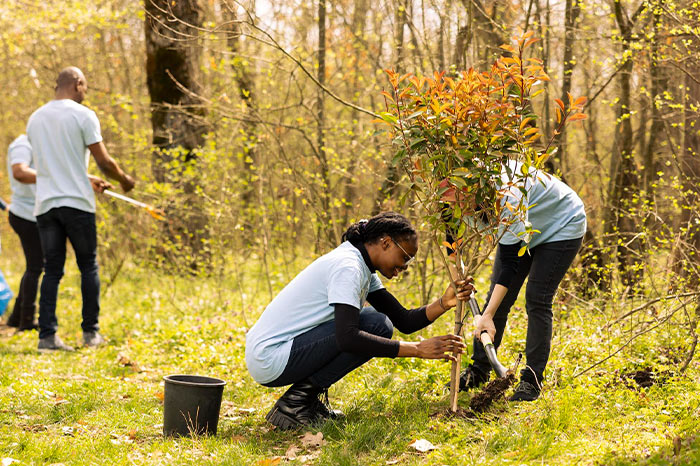
Ecosystem Restoration: Planting trees and restoring mangroves or wetlands helps buffer communities from storms and erosion.
These strategies are effective because they are community-driven, leveraging local knowledge while integrating scientific guidance.
Community Empowerment
Adaptation isn’t just about infrastructure—it’s about empowering people. Training programs and workshops equip local leaders, farmers, and youth with the skills to maintain projects, monitor climate risks, and make informed decisions. Community engagement ensures ownership and long-term sustainability.
Measurable Impact
Successful adaptation leads to tangible results:
-
Reduced losses during extreme weather events
-
Increased agricultural productivity and food security
-
Enhanced protection of water sources and natural resources
-
Stronger social cohesion and community collaboration
Investing in adaptation today means communities can withstand tomorrow’s climate shocks while securing livelihoods for future generations.
Conclusion
Climate change presents significant challenges, but African communities are rising to meet them with innovation, knowledge, and resilience. By focusing on vulnerability assessments, adaptation strategies, and community empowerment, we can ensure a stronger, safer, and more resilient Africa.